
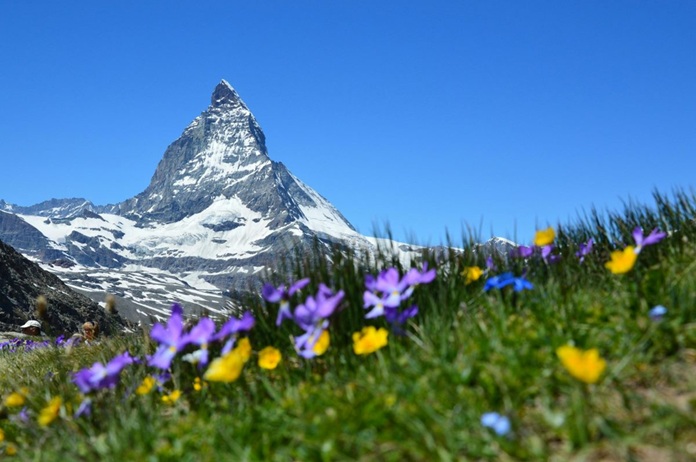
Set high in the Italian Alps, Breuil-Cervinia is best known as a winter sports destination, but its appeal extends well beyond ski season. Located in the Aosta Valley, Cervinia operates year-round, adapting its activities and pace to the changing landscape.
What makes Cervinia distinctive is its consistency. The town maintains a functional layout and reliable infrastructure regardless of season, making it easy for visitors to return at different times of year and experience the area in new ways.
Winter: Reliable Snow and Accessible Slopes
Cervinia’s winter season typically runs from late autumn into early spring, with snow conditions supported by both altitude and glacier access. The resort sits at over 2,000 meters, which helps ensure stable coverage even when snowfall is lighter in surrounding areas.
Skiers benefit from wide, open pistes that suit a range of ability levels, along with direct connections to Zermatt, allowing for cross-border skiing on clear days. Lifts are modern and well distributed, reducing congestion during peak periods.
Beyond skiing and snowboarding, winter visitors often take advantage of snowshoeing routes, beginner areas, and après-ski venues that focus more on casual dining than nightlife. The atmosphere remains practical rather than party-driven, appealing to travelers who prioritize time on the slopes over evening entertainment.
For those staying centrally, booking a ski hotel in Cervinia can simplify daily routines by keeping lifts, rentals, and restaurants within walking distance. This setup reduces reliance on transport and allows visitors to structure their days efficiently.
Spring: A Quieter Transition
As winter gives way to spring, Cervinia enters a transitional period. Skiing continues at higher elevations, particularly on glacier runs, while lower slopes begin to close. Visitor numbers decrease, creating a calmer environment for those who prefer fewer crowds.
Spring is often when travelers combine late-season skiing with longer walks through town or short drives into nearby valleys. Local businesses remain open, though hours may be reduced, and restaurants shift toward lighter seasonal menus.
This period suits visitors who want flexibility — skiing in the morning, relaxed afternoons, and less structured itineraries overall.
Summer: Hiking, Cycling, and Alpine Access
Summer changes Cervinia’s focus entirely. Ski lifts reopen for hikers and cyclists, providing access to panoramic trails and mountain routes that vary in length and difficulty. The surrounding terrain supports both guided excursions and independent exploration.
Popular activities include trekking, road cycling, and mountain biking, with many routes designed to accommodate different experience levels. The air remains cooler than in lowland cities, making outdoor movement more comfortable during warmer months.
Families and casual travelers often appreciate summer’s slower pace. Cafés extend seating outdoors, walking paths replace ski runs, and the town becomes a base for short alpine excursions rather than a single-purpose resort.
Accommodation during this season tends to emphasize space and views, with many properties adapting services to suit longer daytime activities.
Autumn: Resetting Before Winter
Autumn is Cervinia’s quietest period. Trails remain accessible, but some lifts and businesses close temporarily in preparation for winter. For travelers seeking minimal activity and maximum space, this can be an appealing time to visit.
It’s also when the town undergoes maintenance and upgrades. Hotels refresh interiors, restaurants update menus, and lift systems receive seasonal servicing. While options are more limited, the environment feels unhurried and local.
Autumn stays are often shorter and focused on rest, walking, and enjoying the surrounding alpine scenery without structured plans.
A Destination That Adapts
Cervinia’s strength lies in its ability to shift with the seasons while maintaining a consistent sense of place. Winter prioritizes sport and access. Summer highlights movement and landscape. Shoulder seasons offer quiet and flexibility.
Rather than reinventing itself each quarter, Cervinia adjusts its rhythm. Infrastructure remains efficient, distances stay manageable, and services adapt to seasonal needs. This makes it easier for visitors to plan return trips at different times of year, knowing what to expect.
For travelers who value destinations that function well across multiple seasons — without relying on constant novelty — Cervinia offers a straightforward alpine experience shaped by weather, altitude, and practical design.
