
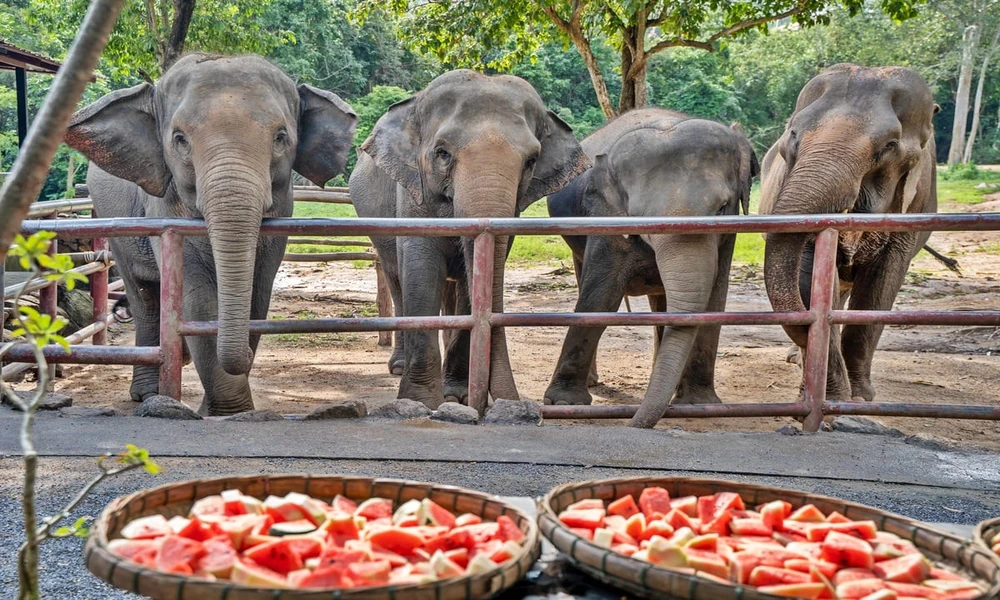
Elephant sanctuary care can offer rescued animals a protected place where daily needs receive steady attention. Such settings encourage safe movement while giving each animal time to adjust to familiar routines. Care teams watch behavior closely while maintaining suitable surroundings for rest and activity. Respectful handling helps build trust without creating pressure. These efforts reflect the compassionate approach practiced at phangan elephant sanctuary, supporting responsible animal care.
Creating Safe Living Spaces
Protected areas should provide enough room for elephants to move naturally throughout each day. Secure boundaries can reduce risks while allowing animals to explore their surroundings without unnecessary restriction. Regular checks help staff notice damaged sections or other possible dangers before problems develop. Suitable shade, water access, and resting areas support stable daily routines for rescued animals.
Maintaining Consistent Daily Care
Reliable routines help rescued elephants become familiar with people responsible for their daily needs. Care workers can observe behavior and daily responses to understand individual preferences more clearly. Gentle handling reduces fear, and repeated routines can encourage greater trust over time. At phangan elephant sanctuary, patient daily interaction can support responsible care and compassionate treatment.
Strengthening Responsible Protection
Long-term welfare depends on simple practices that remain consistent throughout each stage of care. Staff members can follow clear routines while respecting natural behavior during everyday activities.
- Regular boundary checks help prevent hazards around protected living areas.
- Staff observations support suitable routines for individual elephant needs.
- Limited contact reduces pressure during normal daily activities.
- Ongoing training encourages careful handling during routine care.
- Detailed records help teams notice changes in behavior promptly.
Building Trust Through Patience
Rescued elephants may require considerable time before becoming familiar with new surroundings. Patient routines allow them to understand regular sounds, people, and movements without forcing interaction. Care workers can give animals suitable space whenever signs of worry become noticeable. Gradual contact can create stronger trust while preserving individual choice during daily activities.
Supporting Lifelong Welfare
Long-term protection requires planning that remains useful as an elephant grows older. Dedicated teams should maintain safe areas while ensuring daily responsibilities remain consistent. Future planning can help programs prepare staffing needs, enclosure upkeep, and water access. A responsible sanctuary should also encourage public awareness about respectful treatment of rescued animals. Continued care gives elephants greater security while supporting dignity throughout their lives.
FAQs
What helps rescued elephants adjust to protected surroundings over time?
Patient routines help elephants become familiar with people and surroundings gradually.
Why should caregivers respect individual elephant behavior during daily activities?
Respectful handling reduces pressure while supporting trust, safety, and independence.
What supports lasting welfare for rescued elephants throughout their lives?
Consistent care, secure areas, and trained staff support lasting welfare.
